Tracing Data Pathways from Football Match Updates to Casino Jackpot Verifications in Mobile Betting Ecosystems
Yves Wolf · Nov 15, 2026
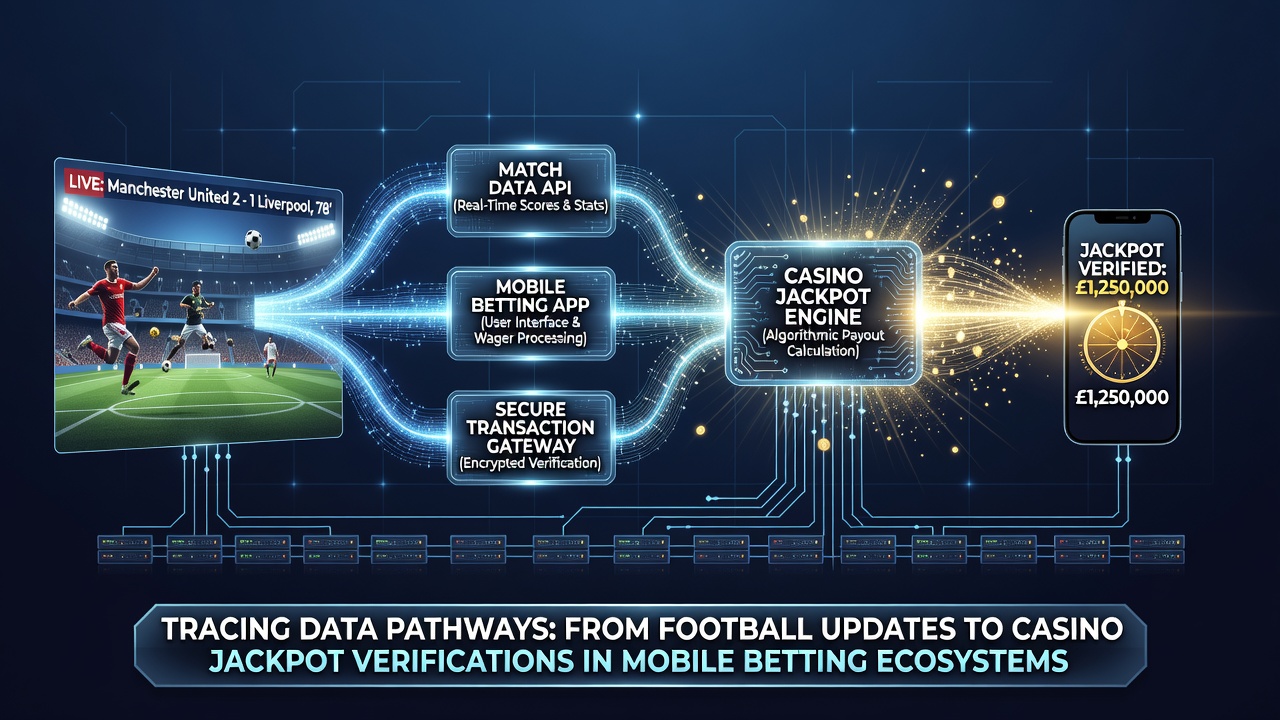
Tracing Data Pathways from Football Match Updates to Casino Jackpot Verifications in Mobile Betting Ecosystems
Football match data streams begin at official league servers where real-time statistics such as goals, assists, and possession percentages originate, and these feeds travel through standardized APIs to mobile betting platforms that update live odds within seconds of each event on the pitch. Observers note that mobile applications in regulated markets receive these updates via secure websocket connections which maintain persistent links between the sports data providers and user devices, allowing odds to fluctuate continuously while users remain engaged with the match.
Core Components of Live Football Data Integration
Research from industry reports indicates that platforms coordinate multiple data sources simultaneously, pulling player performance metrics from one vendor while incorporating weather conditions adn referee decisions from another, and this aggregation occurs on backend servers that normalize formats before pushing revised odds to front-end interfaces. Those who manage these systems often implement caching layers to reduce latency during peak events, ensuring that a goal scored in the 67th minute triggers an immediate recalculation across all related betting markets without disrupting concurrent user sessions.
November 2026 marks a point when several European operators plan to adopt enhanced data encryption standards aligned with updated cross-border frameworks, and this shift affects how match updates synchronize with ancillary casino modules housed within the same mobile application. Experts at organizations like the Canadian Gaming Association have documented similar transitions in North American markets where live sports feeds feed directly into shared compliance databases that also handle jackpot tracking.
Pathways Linking Sports Updates to Casino Systems
Once football data arrives at the mobile ecosystem, routing protocols direct relevant event triggers toward casino subsystems through internal middleware that converts match outcomes into bonus qualifiers or jackpot triggers, and this conversion relies on predefined business rules that map specific scorelines to promotional activations. Figures from academic studies at institutions such as the University of Sydney reveal that such integrations reduce processing times by up to 40 percent compared with siloed architectures, because shared ledgers allow a single authentication token to validate both sports wagers and casino game entries.
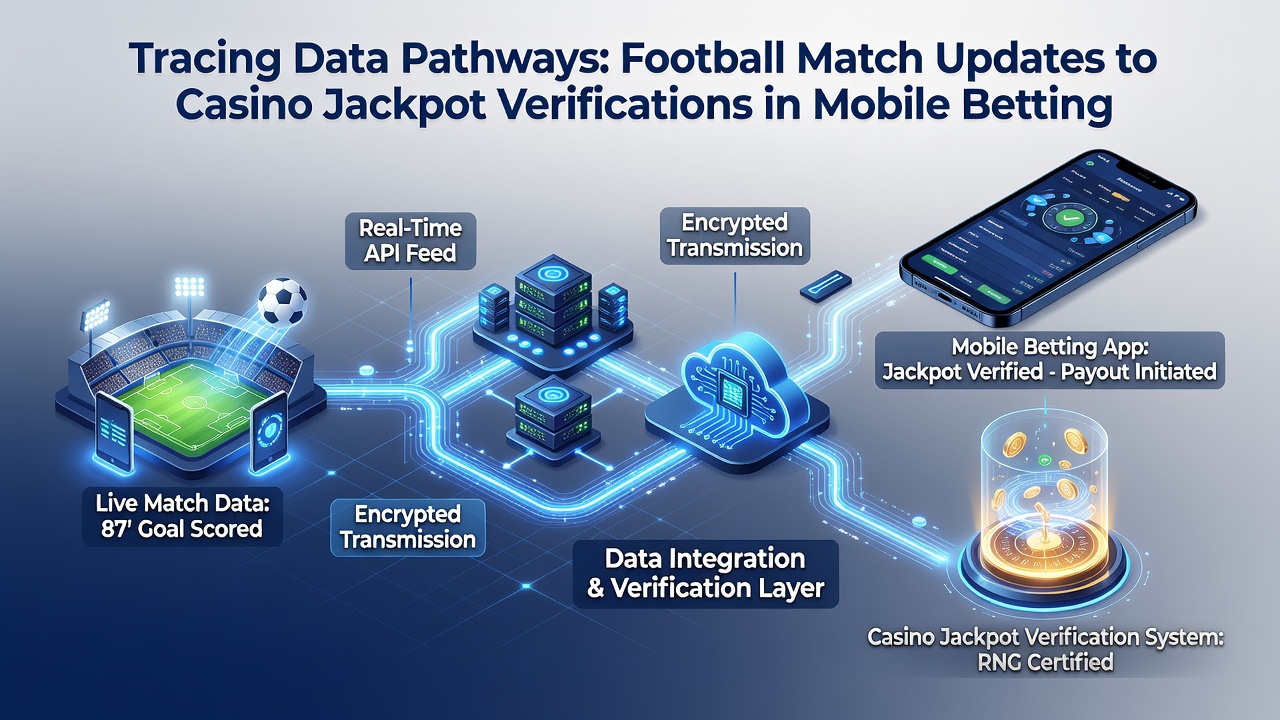
Verification sequences for casino jackpots activate when accumulated bets from football markets reach predetermined thresholds, prompting the system to query a separate randomization server that confirms jackpot eligibility using cryptographic hashes generated at the moment of each qualifying wager. Observers note that these checks occur in parallel with ongoing match updates, so a late equalizer in extra time can simultaneously adjust live odds and recalculate a player's proximity to a progressive jackpot without requiring separate logins or additional data handoffs.
Security and Compliance Mechanisms in Data Transit
Encryption protocols wrap each packet of football match information as it moves from external feeds into the mobile backend, and the same protocols extend to jackpot verification calls that must satisfy regional requirements for audit trails. Data from the Australian Communications and Media Authority shows that operators maintain immutable logs of every odds adjustment and payout confirmation, allowing regulators to reconstruct pathways during compliance reviews that occur quarterly in many jurisdictions.
People who analyze these ecosystems point out that load-balancing servers distribute traffic across geographic zones to prevent bottlenecks during high-profile matches, while dedicated verification nodes handle jackpot calculations independently to isolate potential failures in the sports data pipeline. This separation ensures that a temporary outage in one league feed does not halt casino game verifications for users who qualified through earlier football activity.
Conclusion
Tracing these pathways demonstrates how mobile betting platforms maintain synchronized yet compartmentalized data flows that support both live football updates and casino jackpot verifications under unified regulatory oversight. As November 2026 approaches, continued refinements in encryption and middleware promise further reductions in latency across these integrated systems, and ongoing reports from diverse regulatory bodies continue to shape implementation details worldwide.