Mapping User Registration Steps to Responsible Gambling Limits Across Austrian Football Betting and Casino Apps
Alex Beck · Sep 20, 2026
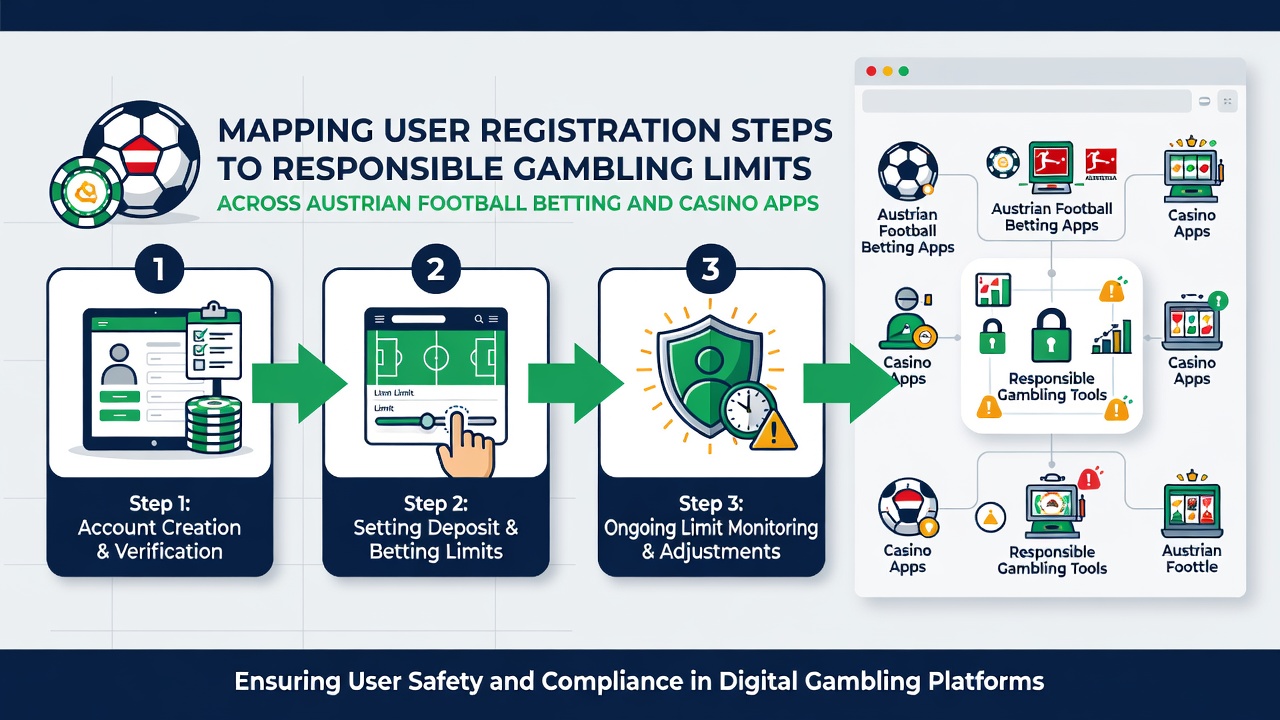
Mapping User Registration Steps to Responsible Gambling Limits Across Austrian Football Betting and Casino Apps
Registration processes in Austrian football betting and casino apps follow structured sequences that directly connect identity checks to responsible gambling controls, and these sequences have evolved under national regulations governing online play. Users begin by providing basic details such as name, date of birth, and address, after which platforms trigger automated verification steps that pull data from official registries before any betting or casino activity can proceed. This early stage already incorporates prompts for setting initial deposit limits or time restrictions, and the linkage ensures that financial boundaries activate as soon as an account receives approval rather than at a later point in the user journey.
Core Registration Phases and Their Built-in Safeguards
Age verification stands as the first mandatory gate in most Austrian platforms, where users upload government-issued identification that gets cross-checked against the central population register maintained by federal authorities. Once cleared, teh system immediately surfaces options for establishing daily, weekly, or monthly deposit caps, and these selections become non-negotiable parameters tied to the account profile. Address confirmation follows next, often requiring a utility bill or bank statement, which simultaneously validates residency for tax compliance and feeds into location-based restrictions that prevent access from jurisdictions outside permitted zones.
Payment method linkage occurs during the same window, and here platforms require users to designate accounts or cards that will handle transactions while enforcing the pre-set limits automatically. Research from the Austrian Federal Ministry of Finance shows that accounts created with these integrated steps experience fewer instances of limit overrides because the boundaries are embedded at teh profile level rather than applied retroactively. Observers note that casino apps tend to add an extra layer at this stage by requesting self-assessment questionnaires on gambling frequency, and the responses generate tailored reality-check reminders that activate during live sessions.
Linking Identity Data to Limit Enforcement Mechanisms
Once personal details enter the system, algorithms map them against responsible gambling databases maintained by operators under the Glücksspielgesetz framework, and this mapping flags any prior self-exclusion records before gameplay begins. Football betting apps in particular route users through market-specific controls during registration, such as maximum stake amounts per match or session duration caps, and these settings sync directly with the verified identity to prevent circumvention across multiple devices. Data indicates that platforms handling both sports and casino products maintain unified backend systems where a single limit profile applies across verticals, reducing the risk of fragmented controls.
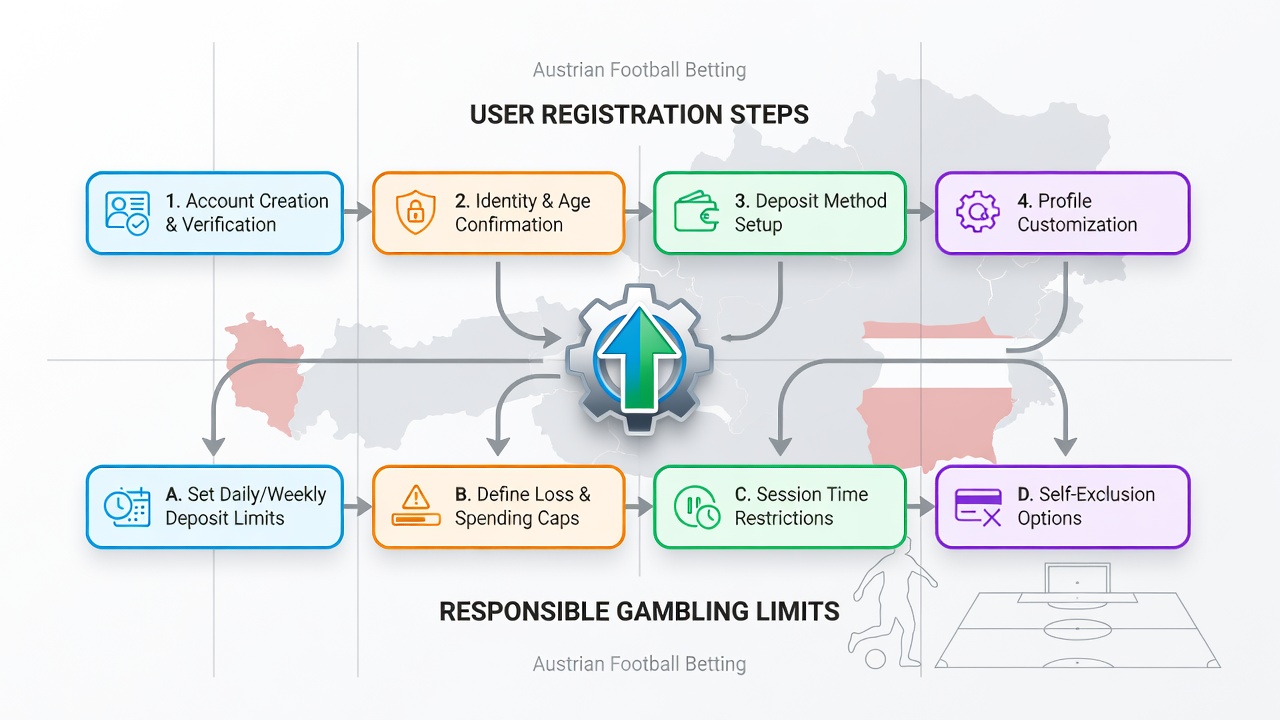
Experts have observed that the transition from registration to active play involves a final confirmation screen where users review and lock their chosen limits, and any subsequent changes require additional identity re-verification that creates a deliberate delay period. This approach aligns with broader European efforts to standardize player protection, and a 2025 report from the European Commission on digital gambling environments highlights how such mapped workflows contribute to lower rates of excessive play in regulated markets. In September 2026, updated technical standards are scheduled to require even tighter integration between registration APIs and national exclusion lists, which will further automate the enforcement of these boundaries.
Differences Between Football Betting and Casino App Workflows
Football betting applications often emphasize event-driven limits during signup, such as caps tied to specific leagues or live match durations, whereas casino platforms prioritize session-based tools like loss thresholds and cool-off periods that activate after a set number of spins or hands. Both categories, however, draw from the same verified user data collected at registration, and this shared foundation allows operators to maintain consistent responsible gambling profiles regardless of product type. Industry analyses from the Austrian Gaming Association reveal that hybrid apps offering both categories complete the mapping process in under ten minutes on average, with automated alerts guiding users who attempt to bypass limit selections.
Payment flow integration adds another dimension, since deposit and withdrawal methods must respect the registered limits in real time, and this requirement extends to bonus structures that cannot exceed pre-defined thresholds. Researchers at the University of Vienna have documented how these connections reduce the administrative burden on support teams while increasing voluntary adherence among players who set boundaries early. The process also accommodates temporary adjustments for events like major tournaments, yet any modification still routes through the original identity verification layer to preserve integrity.
Future Developments and Regulatory Alignment
Regulatory updates planned for September 2026 will introduce mandatory API connections between Austrian platforms and a centralized responsible gambling registry, and this change will allow registration data to trigger automatic limit applications across multiple operators. Such developments build on existing practices where user consent during signup includes authorization for ongoing monitoring, and the result is a more seamless experience that still prioritizes protection. Observers expect these enhancements to standardize the mapping process further, particularly for apps serving both domestic and cross-border users within the EU framework.
Conclusion
The mapping of registration steps to responsible gambling limits in Austrian football betting and casino apps creates a continuous chain from identity verification through ongoing account management, and this structure supports compliance while facilitating user control. Data from regulatory sources and academic studies confirms that early integration of these tools correlates with improved adherence rates, and upcoming changes in 2026 will reinforce the connections already in place. Platforms continue to refine these workflows to meet evolving standards without disrupting the core user experience.